Semi-truck tire failure is a widespread issue that impacts safety, efficiency, and profitability in the trucking industry. Understanding the root causes of tire failure is essential for drivers, fleet managers, and maintenance professionals.
This article explores the leading factors behind semi-truck failures and highlights how expert service providers like CJ’s Truck and Trailer Service can help prevent these incidents and keep your fleet moving safely.
What Is Tire Failure?
Tire failure refers to any sudden or gradual break down of a tire’s structure, resulting in issues such as blowouts, tread separation, or rapid air loss. These events can lead to accidents, costly repairs, and significant downtime. Recognizing and addressing the causes of tire failure is crucial for maintaining vehicle safety and operational continuity.
Leading Causes of Semi-Truck Tire Failure
Several factors contribute to semi-truck tire failure. By identifying and addressing these issues, drivers and fleet managers can significantly reduce the risk of accidents and break downs.
Underinflation
Underinflation is one of the most common causes of semi-truck tire failure. When tires do not have enough air pressure, their sidewalls flex excessively, generating excess heat. Over time, this heat weakens the tire, making it more prone to blowouts.
Underinflated tires also wear unevenly, shortening their lifespan and increasing the likelihood of sudden failure. Regular pressure checks and maintaining the recommended PSI are essential for preventing underinflation-related tire failure.
Overloading
Exceeding a truck’s weight limit places excessive stress on its tires. Each tire is designed to support a specific load, and overloading pushes them beyond their safe capacity. The extra weight causes tires to overheat and wear out quickly, increasing the risk of blowouts. Proper load distribution and strict adherence to weight regulations are vital for preventing overloading-related tire failure.
Road Hazards
Semi-truck tires are constantly exposed to road hazards such as potholes, debris, and sharp objects. Striking these hazards can cause immediate punctures or internal damage that may not be visible. Even minor impacts can weaken the tire over time, leading to sudden blowouts. Staying alert and avoiding road hazards whenever possible helps protect tires from damage and prevents tire failure.
Worn Tread
Tires with worn-out tread are more susceptible to failure. As the tread depth decreases, the tire’s ability to grip the road diminishes, increasing the risk of blowouts, especially in poor weather conditions.
Worn tires also generate more heat, further compromising their structural integrity. Regular inspections and timely replacements are necessary to prevent tire failure due to worn tread.
Improper Maintenance
Neglecting routine maintenance is a leading contributor to tire failure. Failing to inspect tires for cuts, bulges, or other signs of damage can allow problems to go unnoticed until a blowout occurs.
Proper maintenance includes regular pressure checks, alignment inspections, and tire rotations. Consistent upkeep ensures that tires remain in good condition and reduces the risk of sudden tire failure.
Excessive Heat
Long-distance driving, especially in hot climates, generates significant heat in semi-truck tires. Excessive heat can cause tread separation, sidewall damage, and blowouts. Tires already stressed by underinflation or overloading are particularly susceptible to heat-related failure.
Allowing tires to cool during long hauls and maintaining proper pressure helps mitigate heat buildup and prevent tire failure.
Manufacturing Defects
Occasionally, tires may have manufacturing defects or flaws that make them more prone to failure. These defects can include weak spots in the tire’s structure or issues with the tread.
Even with proper maintenance, defective tires may experience blowouts. Purchasing tires from reputable manufacturers and inspecting new tires for defects can help reduce this risk.
Improper Tire Selection
Using tires that are not appropriate for a truck’s weight or load requirements can increase the risk of tire failure. Tires designed for lighter vehicles may not withstand the demands of heavy-duty trucking, leading to premature wear and blowouts.
Selecting the correct tire type and size for each application is essential for safety and performance.
The Importance of Professional Tire Repair and Maintenance
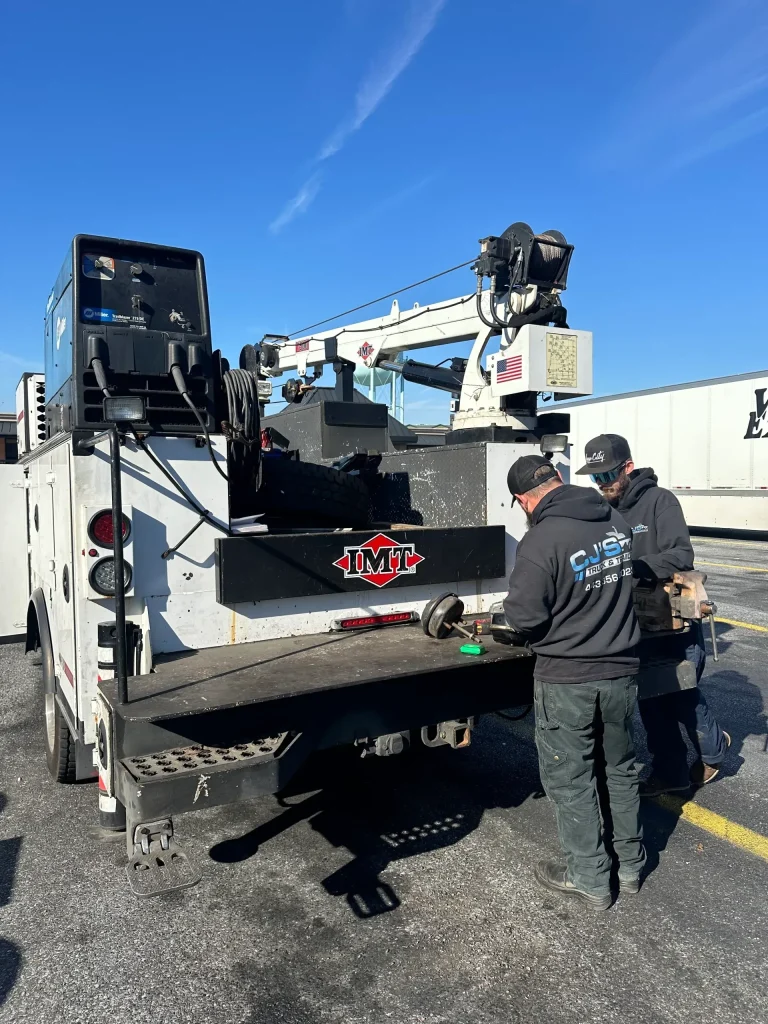
Preventing failures requires more than just awareness—it demands proactive maintenance and expert repair services. CJ’s Truck and Trailer Service specializes in mobile truck and trailer repair, bringing professional service directly to your location.
Our team is committed to honesty, transparency, and quality repairs, ensuring that your vehicle remains road-ready at all times.
Comprehensive Tire Services
CJ’s Truck and Trailer Service offers a range of tire-related solutions, including tire replacement, light inspection services, brake service and repair, and expert welding and door repair. By providing on-site repairs and maintenance, they minimize downtime and keep your fleet operating efficiently.
Our family-owned, locally operated business is dedicated to keeping trucks and trailers safe and functional, offering peace of mind for drivers and fleet managers alike.
Preventing Tire Failure: Best Practices
Adopting best practices can significantly reduce the risk of semi-truck tire failure:
- Regular Pressure Checks: Monitor tire pressure before every trip and adjust as needed.
- Load Management: Ensure loads are within legal and manufacturer-recommended limits.
- Routine Inspections: Check tires for signs of wear, damage, or uneven tread.
- Avoiding Road Hazards: Stay vigilant and steer clear of potholes, debris, and other obstacles.
- Timely Replacements: Replace tires that show significant wear or damage promptly.
- Professional Maintenance: Rely on trusted service providers like CJ’s Truck and Trailer Service for expert repairs and inspections.
The Consequences of Tire Failure
Tire failure can have serious consequences, including accidents, downtime, increased costs, and safety risks. Blowouts at high speeds can cause loss of control, leading to collisions. Tire-related break downs result in delays and lost revenue. Frequent tire replacements and repairs add to operational expenses. Failed tires endanger drivers, passengers, and other road users.
By understanding the causes of tire failure and implementing preventive measures, fleet managers and drivers can protect their assets and ensure safer roads for everyone.
How CJ’s Truck and Trailer Service Supports Tire Safety
CJ’s Truck and Trailer Service stands out as a trusted partner for tire maintenance and repair. Our mobile approach means that help is always just a call away, whether you’re on the road or at your site.
We’re committed to integrity and service ensures that every repair is performed to the highest standards, helping to prevent tire failure and keep your fleet running smoothly.
Our team is equipped to handle everything from emergency tire replacements to comprehensive inspections, providing the convenience and reliability that modern trucking demands. With a focus on honesty and transparency, CJ’s Truck and Trailer Service delivers peace of mind to drivers and fleet managers.
Learn about the most common causes of truck break downs!
The Wrap Up: Tire Failure and How to Prevent It
Semi-truck tire failure is a complex issue with multiple contributing factors, including underinflation, overloading, road hazards, worn tread, improper maintenance, excessive heat, manufacturing defects, and improper tire selection. Addressing these causes through regular maintenance, proper load management, and professional repair services is essential for preventing accidents and ensuring operational efficiency.
CJ’s Truck and Trailer Service offers expert solutions to keep your tires and vehicles in optimal condition, minimizing the risk of tire failure and supporting the safe, reliable operation of your fleet. By prioritizing tire safety and partnering with trusted professionals, you can reduce downtime, lower costs, and protect everyone on the road.
Remember, preventing tire failure starts with awareness and ends with action. Stay vigilant, maintain your tires, and rely on experienced service providers to keep your semi-truck moving safely and efficiently.